Categories
Economics Local Government

Rail Trails: An Engine for Regional Economic Development

Economic Boom through Sustainable Tourism

Nestled in the valleys, cutting through small towns, and traversing natural landscapes, rail trails have emerged as not just pathways for recreational activities, but also powerful engines for regional economic development. These abandoned or disused railway tracks, repurposed into multi-use trails, have breathed life into many communities, attracting both tourists and investors. But as with any significant infrastructure development, rail trails present their own set of challenges.

First and foremost, rail trails are magnets for sustainable tourism. Cyclists, runners, hikers, and families flock to these trails for a unique experience that combines history, nature, and physical activity. Unlike high-impact tourism, where large numbers of visitors can degrade an environment, rail trail tourism is sustainable, respecting and preserving the surrounding ecology.

Local businesses directly benefit from this influx of tourists. Cafes, bed-and-breakfasts, bike rental shops, and guided tour services spring up alongside these trails. With the increase in foot (or bike) traffic, property values often rise, breathing life into erstwhile dwindling town economies.

Preserving Culture and Environment

Rail trails serve as an ode to history, preserving the legacy of old railway lines. Stations can be repurposed as museums or cultural centers, celebrating the region’s past. Simultaneously, they also play a crucial role in conserving the environment. With green corridors for flora and fauna, rail trails can act as vital habitats for various species, also facilitating migration for some. The emphasis on non-motorized transport also means reduced carbon emissions, promoting a cleaner, greener future.

Community Engagement and Health

The community benefits from these trails in numerous ways. Beyond the economic incentives, these trails offer safe, car-free zones for exercise and recreation, encouraging healthier lifestyles. They can also become social hubs, venues for local events, and spaces where community members bond.

However, it’s not all smooth sailing. Establishing these rail trails comes with its own set of challenges:

Land Acquisition and Rights

One of the primary challenges in developing rail trails is navigating the complex terrain of land rights. Some old rail lines may cross private properties, leading to disputes over land acquisition or usage rights. These disputes can be time-consuming, expensive, and can lead to animosity within communities.

Initial Funding and Maintenance Costs

Rail trails, despite utilizing existing infrastructure, demand significant upfront investment for repairs, resurfacing, and signage. Maintenance costs, although often lower than those for roads, can still be considerable. Funding can be a hurdle, especially for regions already grappling with economic challenges.

Balancing Development and Conservation

With increased human activity, there’s always a risk to the environment. Ensuring that rail trail development doesn’t harm surrounding ecosystems is vital. Striking the right balance between fostering economic development and preserving nature can be a delicate task.

Conclusion

In the grand tapestry of urban and regional planning, rail trails offer a unique blend of economic, environmental, and social benefits. Their ability to drive economic growth, especially in regions that have been left behind by other forms of modern development, is particularly noteworthy. However, as we embrace the potential of these trails, it’s crucial to navigate the challenges thoughtfully, ensuring that the path ahead benefits both the land and its people.
Categories
development Economics Local Government

From Field to Flask: Sowing the Seeds of Sustainable Tourism with Agriculture

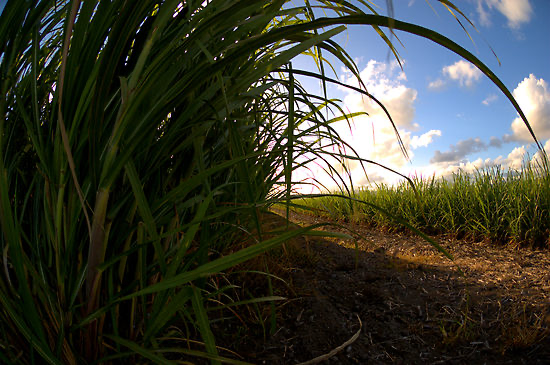
When we talk about tourism, images of sandy beaches, bustling city centers, or historical monuments might flood our minds. However, one of the lesser-tapped yet immensely promising avenues for tourism is agriculture. Transforming agricultural sites into tourist destinations isn’t just about sharing the beauty of farmland; it’s about creating an integrated experience that bridges the gap between field and table, fostering an understanding of food and drink production. An outstanding example of this is leveraging the production of rum from sugar cane.

Economic Spur through Agro-Tourism

The benefits of converting agricultural production sites into tourism attractions are multi-dimensional. At its core, it diversifies income sources for farmers. No longer solely reliant on the unpredictable nature of crop sales, farmers can earn from hosting tours, workshops, and even accommodations.

Rum distilleries can create an entire ecosystem of economic activities. From tours of sugar cane fields and rum-making processes to tasting sessions and on-site sales, each step becomes a potential revenue stream. The surrounding area also sees an upswing with the rise of local markets, eateries, and transport services catering to tourists.

Education and Brand Loyalty

Beyond the pure economic benefits, there’s an educational component. Visitors learn about the history of sugar cane, the intricacies of rum production, and the role of the region in shaping this history. This not only fosters appreciation but can also build brand loyalty. A consumer is more likely to choose a brand of rum they’ve seen produced firsthand and with which they’ve forged a personal connection.

Community Development and Global Exposure

Agro-tourism isn’t just about the immediate producers. It can lead to community development. The influx of tourists means better infrastructure, which benefits locals. Furthermore, the global exposure from tourists sharing their experiences can boost the region’s reputation, leading to even more interest and visitors.

However, as with any venture, turning agricultural production into a tourism hotspot isn’t without its challenges:

Environmental Impact

With a surge in visitors, there’s potential harm to the environment. Agricultural lands are sensitive areas. Increased footfall can disturb the soil, and waste generated by tourists can impact the environment. Sustainable practices are a must. For instance, if rum distilleries witness massive visits, waste management, especially water waste from rum production, must be addressed.

Over-commercialization

There’s a thin line between creating an authentic experience and turning an agricultural site into a theme park. Over-commercialization can detract from the genuine allure of the place, leading to a loss of its unique charm. Distilleries and farms must be wary of not diluting the essence of their operations for the sake of tourism.

Economic Dependence

Diversification of income is beneficial, but over-reliance on tourism can be dangerous. If, for any reason (like a global pandemic or natural calamities), tourists stop coming, it can lead to severe economic repercussions for regions that have become too dependent on tourism. A balance between agricultural sales and tourism revenue is crucial.

Conclusion

Leveraging agricultural production for tourism, especially in the realm of products like rum, offers a promising avenue for regional economic development. It provides a multi-faceted experience that appeals to tourists’ senses, intellect, and emotions. However, to ensure that this integration of agriculture and tourism is sustainable and beneficial in the long run, potential risks must be judiciously managed. With the right approach, the fields of sugar cane can be more than just a source of sweet delight; they can be gateways to cultural immersion and economic revitalization.