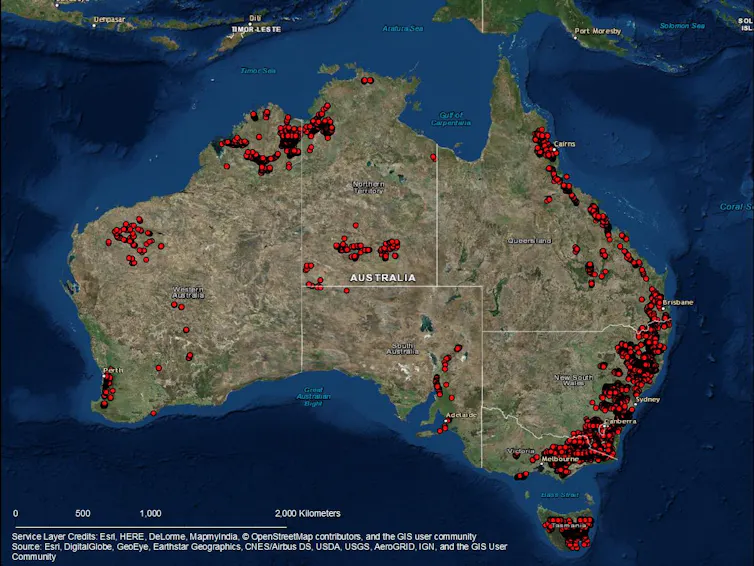
Traffic congestion isn’t just an inconvenience; it’s also a financial burden. In Australia, traffic delays cost around $19 billion annually in lost productivity, increased vehicle operating costs, and environmental damage. Think about it—every minute sitting in traffic wastes fuel and time that could be spent working or enjoying life. Economists consider this an example of “externalities,” where the cost of congestion is shared by society, not just the drivers. Some also suggest they are ‘contagious’: https://theconversation.com/traffic-jams-are-contagious-understanding-how-they-spread-can-help-make-them-less-common-135551 Could investing in public transport or smart traffic systems save the day? Would congestion pricing be a better solution? #Economics #TrafficCongestion #UrbanPlanning #PublicTransport
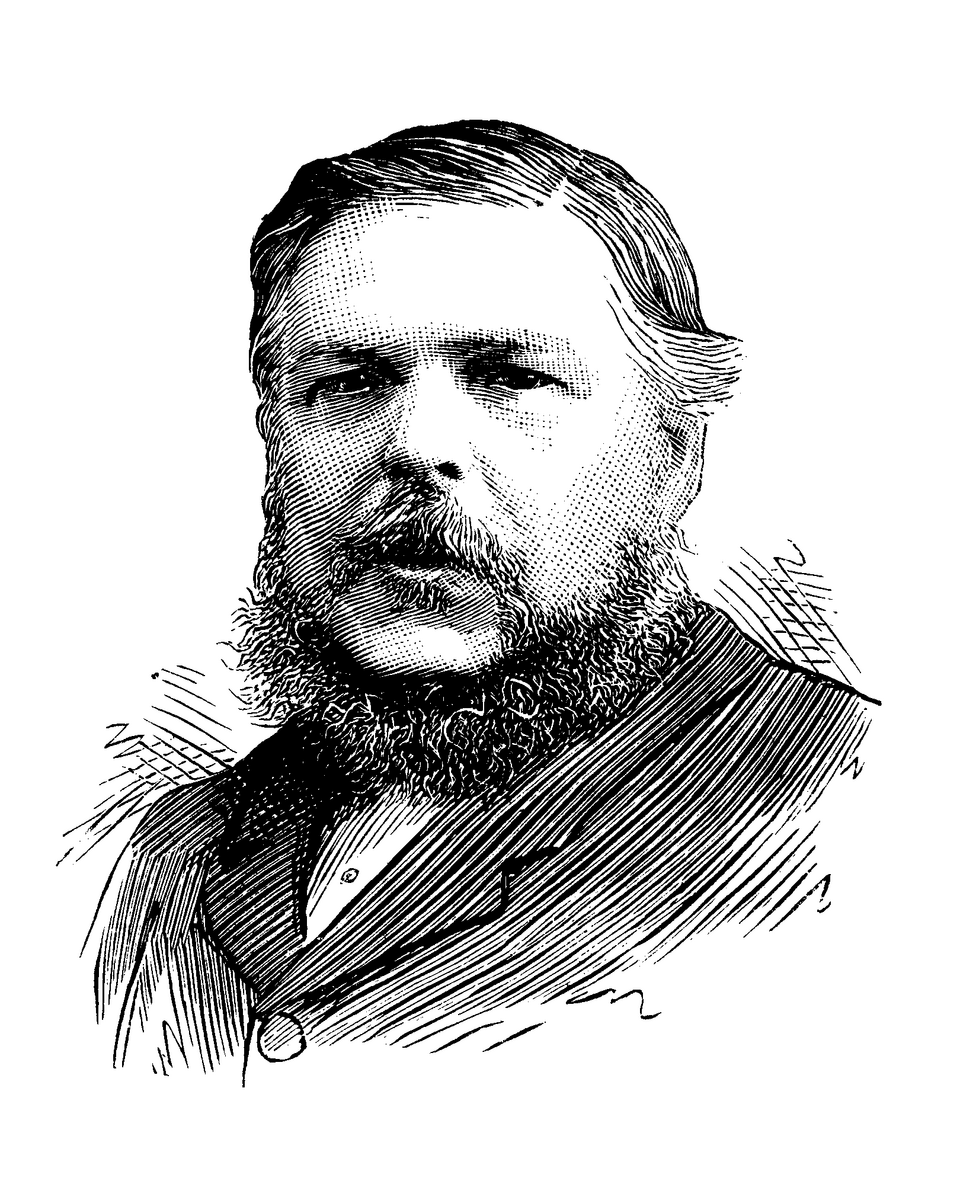
Sir Robert Giffen knew a thing or two about consumer behaviour in times past.
Here’s another fun fact about economics: The concept of “Giffen goods” is a rare and counterintuitive phenomenon where an increase in the price of a good leads to an increase in its demand. This seemingly paradoxical situation can occur with inferior goods, which are products that people buy more of when their income decreases. The classic example is that of a staple food, like bread or rice, in a low-income economy. If the price of the staple food rises, people might not be able to afford more expensive substitutes, and thus, they end up buying even more of the staple food, despite its higher price. This effect challenges the basic law of demand in traditional microeconomic theory.
#economics #giffen-good #consumer-paradox Image credit: Wikipedia, Robert Giffen (engraved portrait).png, CC
Here’s another fun fact about economics: The “Lipstick Effect” is a phenomenon observed during economic downturns where consumers tend to buy more small luxury items, like expensive lipstick, instead of more costly luxuries like jewellery or vacations. This behaviour is thought to occur because people still want to treat themselves despite financial constraints, and smaller luxury items offer an affordable way to experience a sense of indulgence. This concept illustrates how consumer behaviour can shift in response to economic conditions, providing valuable insights for businesses and marketers. I’m wondering if there are any other examples of this. Keen to read your comments.
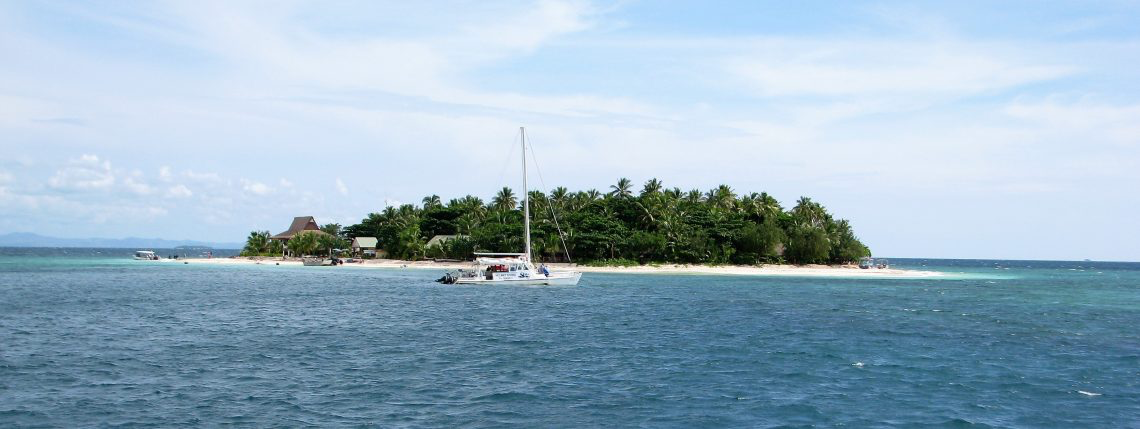
Here’s another fun fact about economics: “Tourism Leakage” is a term that describes the phenomenon where a significant portion of the revenue generated from tourism in a region does not remain in the local economy but instead “leaks” out to foreign investors, international companies, and overseas suppliers. In many Pacific Island countries, tourism is a major source of income, but a large share of the profits can end up abroad, particularly when hotels, airlines, and tour operators are foreign-owned. This reduces the positive economic impact of tourism on the local communities and highlights the importance of developing local tourism businesses to retain more benefits within the region.
#Pacific #tourism-leakage #economics Image credit: Dennis Tolkach
When we compare South Australia’s two iconic tourism destinations—the Barossa Valley and Kangaroo Island—we see two regions with distinct offerings that cater to different types of visitors. These differences not only define their current appeal but also highlight specific tourism infrastructure needs that can further stimulate growth in each region.
1. Visitor Experience: Wine vs. Wilderness
Barossa Valley: The Barossa is globally recognized for its vineyards and gourmet food, drawing wine connoisseurs and culinary enthusiasts alike. This rich cultural heritage and refined visitor experience make it a premier destination for those seeking luxury and indulgence.
Kangaroo Island: In contrast, Kangaroo Island offers a raw, unspoiled natural environment where wildlife, coastal beauty, and adventure reign supreme. The island is ideal for eco-tourism, with activities that bring visitors closer to nature.
2. Accessibility and Infrastructure: Proximity vs. Isolation
Barossa Valley: With its proximity to Adelaide, the Barossa Valley is easily accessible, encouraging frequent day trips and short visits. This ease of access has fostered a well-developed infrastructure that supports a consistent influx of visitors.
Kangaroo Island: The island’s isolation, requiring either a ferry or a short flight, enhances its allure as a remote getaway. However, this also presents challenges in developing infrastructure, which must balance sustainability with accessibility.
3. Target Market: Luxury vs. Adventure
Barossa Valley: Catering to a high-end market, the Barossa attracts international tourists, couples, and groups who seek luxury experiences, driving demand for premium infrastructure.
Kangaroo Island: The island’s appeal lies in its adventure and eco-tourism opportunities, drawing a diverse demographic that includes families, backpackers, and nature enthusiasts.
Key Tourism Infrastructure Assets Needed for Growth
Barossa Valley:
Luxury Boutique Accommodations:
To continue attracting high-value tourists, the Barossa Valley would benefit from the development of additional luxury boutique hotels and resorts. These accommodations should offer unique, personalized experiences that integrate with the region’s wine and culinary culture, such as vineyard retreats or gourmet-focused lodgings.
Cultural and Culinary Experience Centers:
Establishing centers that combine wine education, culinary arts, and local history would enhance the cultural experience for visitors. These centers could include interactive exhibits, cooking schools, and wine-tasting masterclasses, providing immersive experiences that deepen visitors’ connection to the region.
Event and Conference Venues:
To tap into the growing market for business tourism and corporate events, the Barossa Valley could develop state-of-the-art event spaces that can host international conferences, weddings, and large-scale events. These venues would not only increase visitor numbers but also encourage longer stays.
Kangaroo Island:
Sustainable Eco-Lodges:
Kangaroo Island’s unique selling point is its natural beauty and wildlife. To preserve this while accommodating growing visitor numbers, the island should invest in eco-lodges that are environmentally friendly and offer guests a chance to immerse themselves in nature. These lodges could feature renewable energy sources, low-impact design, and educational programs focused on conservation.
Enhanced Wildlife and Marine Exploration Facilities:
Building infrastructure that supports wildlife tourism, such as upgraded marine viewing platforms, wildlife sanctuaries, and interpretive centers, would enrich the visitor experience. These facilities should focus on responsible tourism practices that protect the island’s ecosystems while providing educational value to visitors.
Improved Transportation Links:
To increase accessibility without compromising the island’s ecological integrity, enhancing transportation infrastructure is crucial. This could include sustainable ferry services, electric vehicle charging stations, and eco-friendly shuttle services that connect key attractions across the island, reducing the carbon footprint of tourism.
Impact on Regional Growth
The development of these key infrastructure assets will significantly influence the growth trajectories of both regions. For the Barossa Valley, enhancing luxury accommodations and cultural facilities will solidify its status as a premier destination for high-end tourism, driving increased visitor spending and longer stays. In contrast, Kangaroo Island’s focus on sustainable and eco-friendly infrastructure will attract niche markets that value environmental conservation and unique nature experiences. While the Barossa may see faster growth in visitor numbers and economic impact, Kangaroo Island’s approach will ensure long-term sustainability and a loyal, repeat visitor base.
By strategically investing in these infrastructure assets, the Barossa Valley and Kangaroo Island can position themselves for sustained growth, each capitalising on their unique strengths and market appeal.
Here’s another fun fact about economics: In the mid-20th century, the economist Simon Kuznets, who developed the concept of Gross Domestic Product (GDP), originally cautioned against using GDP as a measure of a country’s overall well-being. Kuznets emphasized that GDP only measures economic activity and does not account for the distribution of income, environmental factors, or the non-market activities that contribute to quality of life. Despite his warnings, GDP has become the most widely used indicator of economic performance, leading to ongoing debates about its adequacy in capturing the true health of a nation’s economy. It can feel like we are only just catching on.
#economics #gdp Image credit: Nick Youngson CC BY-SA 3.0 Pix4free
Here’s a fun fact about economics: The concept of “money” didn’t always mean physical coins or notes. In ancient civilisations, various items served as currency. For example, in the Yap Islands of Micronesia, massive stone discs called Rai stones were used as money. These stones could be as large as 12 feet in diameter and were so heavy that they were rarely moved. Instead, ownership was transferred by mutual agreement, demonstrating that the value of money is not in the physical object itself, but in the shared belief of its worth.
#Pacific #money #economics Image attribution: Eric Guinther, GFDL
Here’s another fun fact about economics: “Remittance Economy” refers to the significant role that remittances—money sent back home by nationals working abroad—play in the economies of many Pacific Island countries. Nations like Tonga, Samoa, and Fiji heavily rely on remittances, which can account for a substantial portion of their GDP. These funds help support families, improve living standards, and contribute to national economic stability. The dependence on remittances highlights the interconnectedness of Pacific Island economies with global labor markets and the importance of diaspora communities to their home countries’ economic health.
#Pacific #remittance-economic #economics Image credit: DFAT Flikr credits CC 2.0
In the quest for energy security and economy decarbonisation, pumped hydro energy storage emerges as a way to address intermittency of renewable generation. There is no real question that this resource is significant and available in Australia. However, the scale of pumped hydro projects plays a pivotal role. It is a topic that is animating the current election in Queensland.
Small pumped hydro projects offer benefits such as flexibility in location, lower environmental impact, and quicker implementation. They are cost-efficient for localized needs and involve lower financial risk due to their smaller capital investment requirements. However, their lower energy storage capacity and limited grid support may make them less suitable for large-scale energy demands.
On the other hand, large pumped hydro projects, despite their high initial costs and longer development times, provide substantial energy storage capacity and significant grid stability. They benefit from economies of scale, leading to lower per unit costs and long-term economic benefits. Large projects are instrumental in stabilising the grid and accommodating the variability of renewable energy sources, which is crucial for enhancing energy security. However, there are risks with megaprojects. When mistakes are made they are big ones.
In addressing the twin imperatives of energy security and economy decarbonisation, large pumped hydro projects emerge as a more appropriate scale of investment. Their substantial energy storage capacity and economies of scale ensure cost efficiency over the long term, making them essential for achieving widespread decarbonisation at a competitive cost. For a robust and sustainable transition to a low-carbon future, prioritising large-scale pumped hydro projects is probably the optimal path forward. Let’s invest in the future of energy and secure a sustainable, decarbonised economy.
So a series of small bets, or one big bet. Are bigger batteries better batteries? Which way would you go?
Here’s another fun fact about economics: “Blue Economy” is a term used to describe the sustainable use of ocean resources for economic growth, improved livelihoods, and jobs while preserving the health of ocean ecosystems. This concept is particularly relevant to Pacific Island nations, which have vast ocean territories and depend heavily on marine resources. The Blue Economy includes activities such as sustainable fishing, marine tourism, and renewable energy (like offshore wind farms). Emphasising the Blue Economy reflects the importance of balancing economic development with environmental conservation in the Pacific region.
#Pacific #economics #blue-economy Image credit: Global Research Development Center