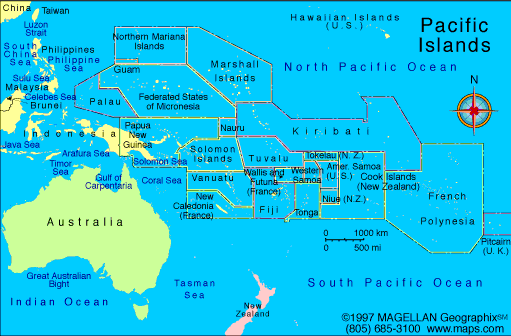
Pacific Island nations have complex requirements for infrastructure. It is tempting but foolish to see similarities and simply apply a one-size-fits-all.
However, the best combination of infrastructure assets for Pacific Island nations will depend on the specific needs and resources of each individual nation. In general, however, there are a few key types of infrastructure that are important for the development and well-being of Pacific Island nations.
Transportation infrastructure: This includes roads, ports, airports, and other transportation networks that are necessary for the movement of people, goods, and services within the country and to other countries.
Energy infrastructure: This includes power plants, transmission and distribution networks, and other facilities that are necessary for the generation and distribution of electricity.
Telecommunications infrastructure: This includes networks of communication towers, cables, and other equipment that are necessary for providing telephone and internet services to the population.
Water and sanitation infrastructure: This includes systems for the treatment, distribution, and collection of water, as well as sewage treatment facilities and other infrastructure related to sanitation.
Health care infrastructure: This includes hospitals, clinics, and other facilities that are necessary for providing health care services to the population.
Educational infrastructure: This includes schools, universities, and other institutions that are necessary for providing education to the population.
It is important for Pacific Island nations to have a balanced and well-developed infrastructure system in order to support economic growth, improve living standards, and enhance the overall well-being of the population. It means having an approach that enables strategic consideration and appraisal of a diverse combination of assets across a diverse set of countries.
 Lytton Advisory